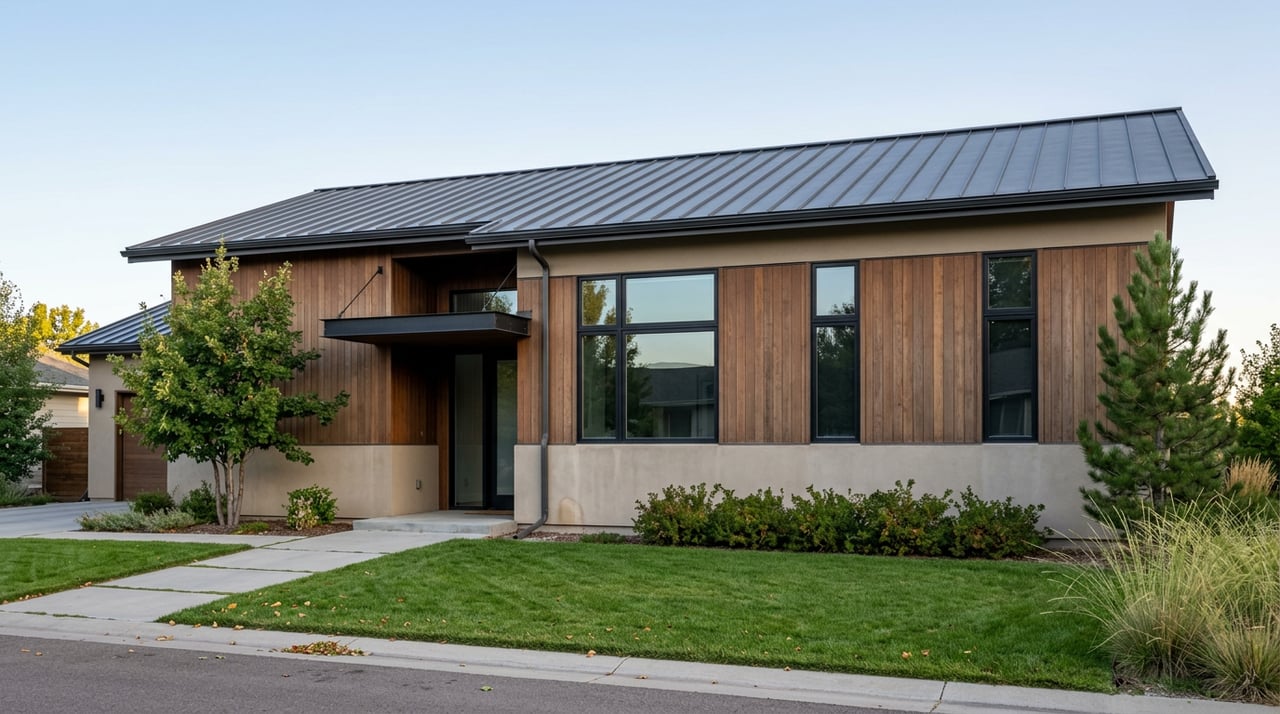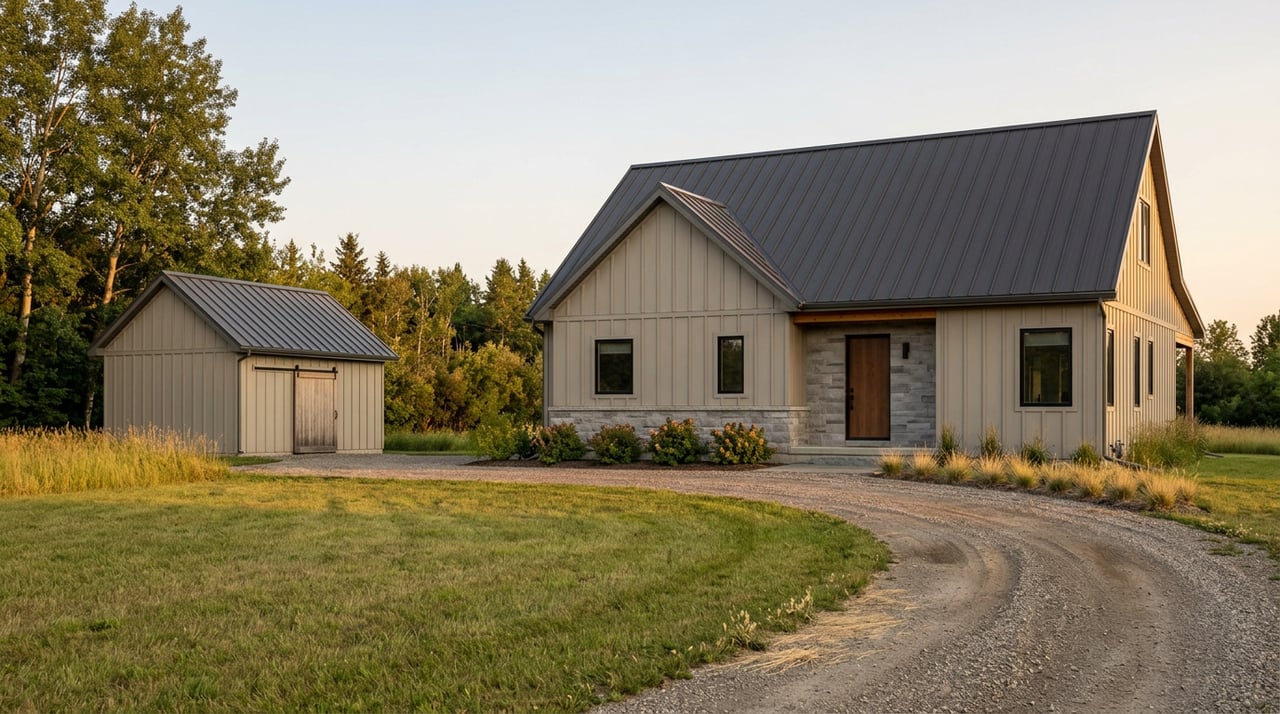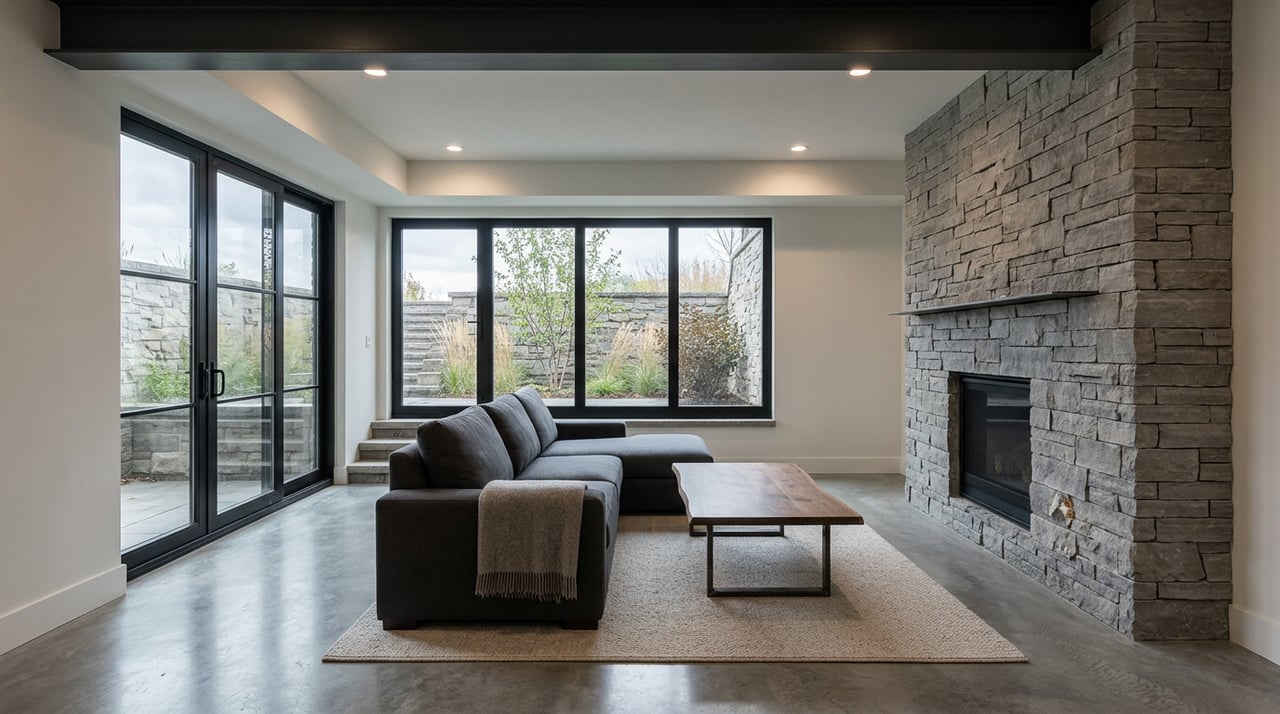
A buyer walks into escrow on a 1970s ranch in the 83401 zip code, checks the seller's disclosure form, and assumes that if radon were a problem here, someone would have flagged it by now. That assumption is wrong, and it isn't the buyer's fault. Idaho is one of only seven states in the country with no state-mandated radon disclosure form, joining Alabama, Arkansas, North Dakota, Virginia, West Virginia and Wyoming on that short list. Thirty-seven states require one. Idaho does not.
That single fact changes how a transaction should actually run in Idaho Falls, because the geology underneath Bonneville County and the paperwork governing its home sales are not telling the same story.
What the disclosure form actually asks
Idaho does require sellers to fill out a Property Condition Disclosure Form under Idaho Code 55-2508, and the law is specific about what that form covers and what it doesn't. The statute's own language spells out the limits plainly:
"Unless otherwise advised, the Seller does not possess any expertise in construction, architectural, engineering or any other specific areas related to the construction or condition of the improvements on the property. Other than having lived at or owning the property, the Seller possesses no greater knowledge than that which could be obtained upon a careful inspection of the property by the potential buyer."
Read that again with radon in mind. A seller who has never tested their basement has, legally, nothing to disclose. Not because the home is clean. Because the form only asks what the seller knows, and Idaho places no independent duty on sellers to go find out. Compare that to the federal lead-based paint rule, which forces disclosure and a buyer inspection window for any home built before 1978 regardless of what the seller has personally tested. Radon gets no equivalent trigger in Idaho. The only way it enters the conversation is if a buyer asks for a test during their own inspection period, which state law and typical purchase contracts generally hold to ten days from the date of an accepted offer.
The map says moderate. The tested homes say otherwise.
Here is where the geology matters. The EPA's national radon zone map is built at the county level, and its own documentation is blunt about its limits: the map "should not be used to determine if individual homes need to be tested." Bonneville County has shown up in radon zone data as a Zone 2 county, meaning a predicted average indoor screening level between 2 and 4 picocuries per liter, a moderate rating one step below the EPA's highest concern tier.
Locally submitted test results for Idaho Falls tell a different story. Testing data collected from homes in the city puts the average around 7.3 picocuries per liter, nearly double the EPA's own action threshold of 4.0 pCi/L and well above what a moderate zone rating would suggest. A separate reading of Idaho Falls test results found that 42 percent of tests came back above 3.9 pCi/L, just under the point where the EPA calls for action. Neither of these figures is a citywide survey. Both come from a limited pool of submitted tests. But the gap between a Zone 2 label and measured results running double the action level is wide enough that no one buying or selling a home in Idaho Falls should treat the county's zone designation as a clean bill of health.
Part of the explanation sits in the ground itself. Idaho Falls sits on Snake River Plain basalts, the same volcanic rock that runs across the zip codes 83401, 83402, 83404 and 83406. Part of it sits in the housing stock. The city's single-family homes were predominantly built between the 1950s and the 1990s, and a large share of them carry full basements, exactly the kind of foundation that gives radon gas an entry point and a place to accumulate before anyone notices.
Why this becomes a transaction problem, not a background fact
None of this matters much to a homeowner who plans to live in the house for another twenty years. It matters immediately to anyone with a closing date on the calendar, because the mechanics of a radon issue play out on a clock that overlaps almost exactly with the inspection period.
A short-term radon test typically runs 2 to 7 days and is usually bundled into the standard home inspection, at a cost of $150 to $250. That fits comfortably inside a ten-day disclosure and inspection window if it's ordered on day one. It does not fit if a buyer waits until day seven to think about it, and it does not happen at all if nobody on either side raises the question, since Idaho's paperwork won't raise it for them.
If a test comes back at or above 4.0 pCi/L, the fix is a sub-slab depressurization system, the same suction-pipe-and-fan setup used across the region regardless of whether the home has a basement, a crawl space, or a slab foundation. Installed cost typically runs $800 to $2,500, with most standard basement homes landing in the $1,000 to $1,500 range. That is a negotiable line item, not a deal-breaker, but only if it surfaces early enough to negotiate rather than during a walkthrough three days before closing.
| Step | Typical cost | Typical timing |
|---|---|---|
| Short-term radon test, usually bundled with home inspection | $150–$250 | 2–7 days, inside a typical 10-day inspection window |
| Sub-slab depressurization mitigation, existing home | $800–$2,500 (most basements: $1,000–$1,500) | Installed in about a day, retested 30 days later |
| Radon-resistant features, new construction | $300–$500 | Built in during framing, before drywall |
New construction changes the math but not the logic. Radon-resistant features cost a fraction of what retrofitting an existing basement costs, but only if they go in during framing. A newly built home in Ammon or Rigby with no radon-resistant features installed carries the same testing need as a 1965 ranch on the bench, since soil conditions and foundation gaps drive radon exposure regardless of the home's age.
How to actually use the ten-day window
For buyers under contract on an Idaho Falls home, the sequence that avoids a late surprise looks like this:
- Order the radon test alongside the general home inspection, not after it, so results land before the disclosure period closes
- Ask specifically whether the test is short-term (2 to 7 days) or a longer read, since a short-term result taken during a low-pressure weather stretch can undersell what a full winter reading would show
- If the result comes back above 4.0 pCi/L, request mitigation as a repair item or a credit, the same way you would for a failed sewer scope or an aging furnace
- If you're buying new construction, ask directly whether radon-resistant rough-in was included, since it won't appear on a standard disclosure form either
For sellers, the move is simpler and cheaper than waiting to be asked. Testing before listing costs the same $150 to $250 whether it happens in week one of the listing or week one of someone else's inspection period, and a clean result becomes something to state plainly rather than something a buyer has to chase down. An elevated result found early gets fixed on the seller's timeline instead of renegotiated under deadline pressure.
A few questions worth asking before you sign anything
Does Idaho law require a radon test before closing? No. Idaho has no state-mandated radon disclosure form and no law requiring either party to test. The decision to test sits entirely with the buyer or seller who chooses to order one.
If my test comes back above 4.0 pCi/L, does that kill the sale? Not typically. It becomes a negotiation point, similar to any other inspection finding, with mitigation cost or a credit as the usual resolution.
Is a newly built home in Ammon or Rigby exempt from this? No. Radon risk comes from soil and foundation conditions, not the age of the home, and Idaho's lack of a disclosure form applies to new construction the same way it applies to a decades-old basement house.
The unusual part of Idaho's system isn't that radon exists here. It's that the state built no formal mechanism to make anyone ask about it. In a market where the geology runs hotter than the county's zone rating suggests, that gap is exactly the kind of detail a buyer or seller wants someone local watching for, not discovering after the ten days are gone.
If you're weighing a purchase or a listing in Idaho Falls and want a second set of eyes on the timeline before your inspection period starts ticking, Adam Walz Real Estate is a good place to start that conversation. Schedule your free consultation and we'll walk through what your specific address and foundation type actually call for.