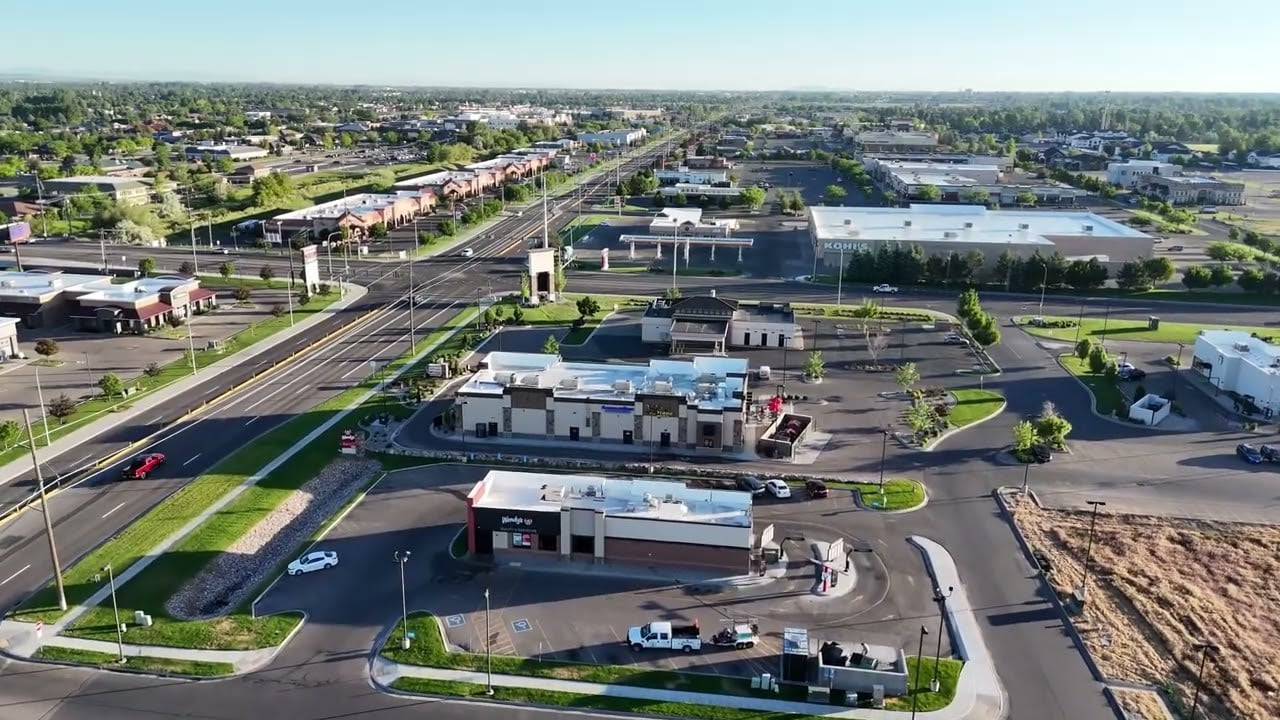
If you’re shopping for a home in eastern Idaho, you’ve probably noticed that Ammon and Idaho Falls come up in almost every conversation. The two cities share a border along 25th East, and from the road it’s hard to tell where one ends and the other begins. But they’re separate municipalities with different tax structures, housing stock, and neighborhood personalities. Adam Walz works with buyers across both cities and hears this question constantly: which one is the right call for my family?
The honest answer is that neither city is objectively better. The right choice depends on what matters most to you, whether that’s home prices, commute, walkability, or the kind of neighborhood feel you want. This post breaks down the real differences so you can make that call with confidence.
The basics at a glance
| Idaho Falls | Ammon |
Median home price | ~$379,000 | ~$430,000 |
Median household income | ~$70,000 | ~$86,000 |
Primary school district | District 91 | District 93 |
Median age | ~33 | ~33 |
Average commute | ~18 min | ~22 min |
The price gap stands out immediately. Ammon’s median home price runs roughly $50,000 higher than Idaho Falls, which reflects newer housing stock and larger lot sizes on the east side. But Ammon’s median household income also runs significantly higher, so the affordability ratio between the two cities is closer than the sticker price suggests.
Schools: two separate districts serve the area
Idaho Falls and Ammon are served by two different public school districts. Idaho Falls falls primarily under School District 91, while most of Ammon is within Bonneville Joint School District 93. Both districts operate multiple elementary, middle, and high schools. District 91 serves over 10,000 students across 19 schools, while District 93 serves over 13,000 students across more than 20 schools and is the fourth-largest district in the state.
Each district offers its own set of programs and facilities. Families considering a move should research both districts directly to understand their offerings, class sizes, and available programs. District 91 and District 93 both maintain websites with detailed information about their schools.
Local Tip: School district boundaries don’t follow city limits perfectly. Some homes in Ammon are actually zoned for District 91, and some Idaho Falls addresses feed into District 93. Always verify the school zone for a specific property before making an offer. You can confirm attendance boundaries directly through each district’s website. |
Home prices and what you get for your money
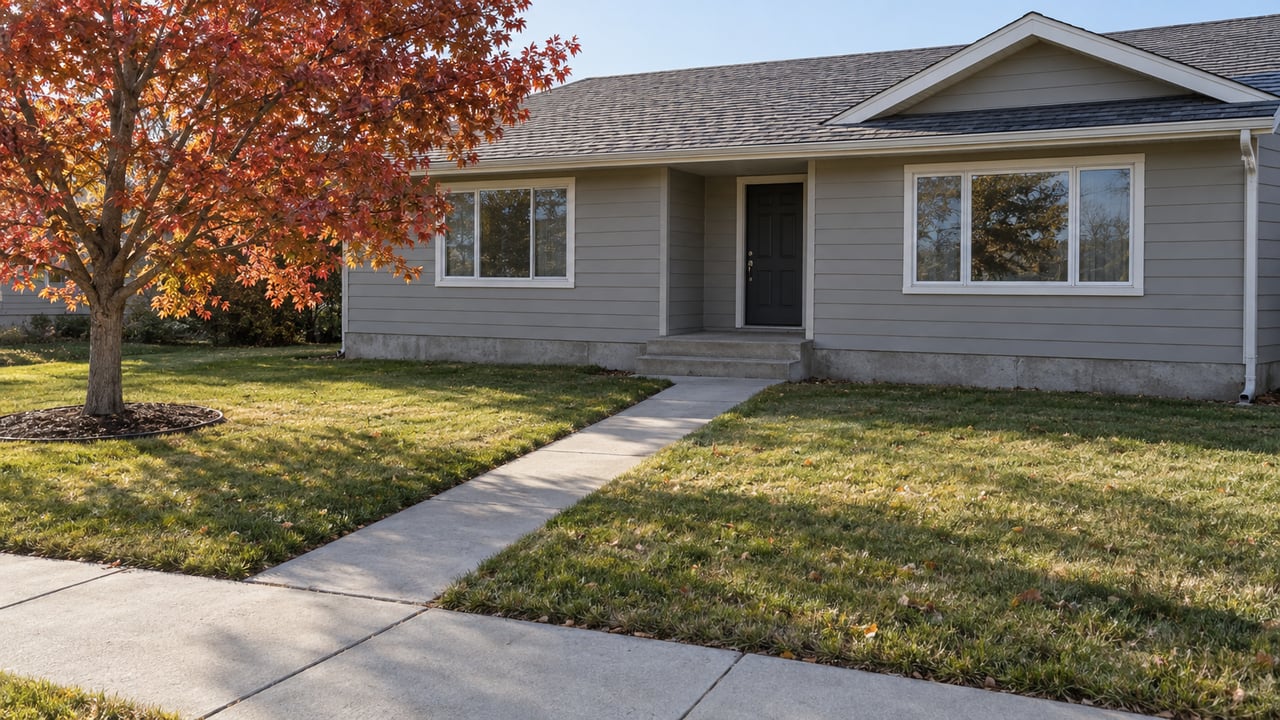
In Idaho Falls, the median home price sits around $379,000 as of late 2025. The city has a wider variety of housing types, from older bungalows and ranch-style homes near downtown to newer subdivisions on the edges. Buyers looking under $300,000 will find more options inside Idaho Falls proper, especially in neighborhoods closer to the city center.
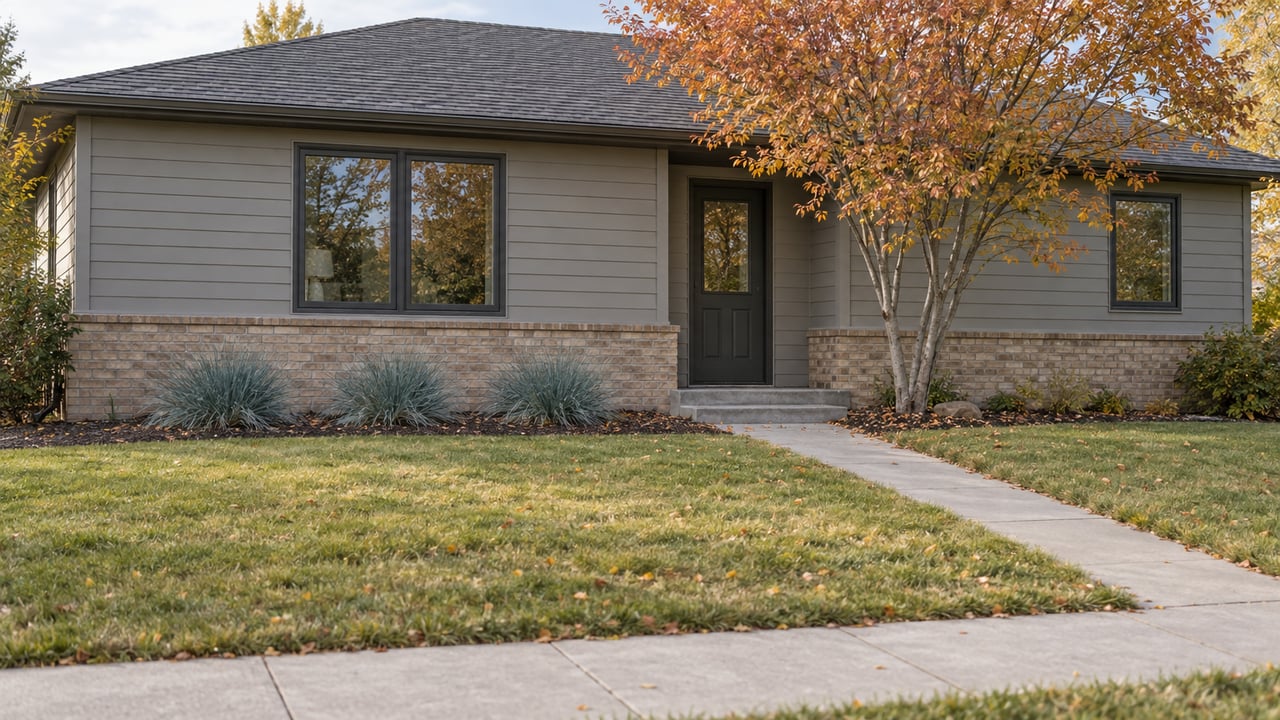
Ammon’s median runs closer to $430,000. The housing stock skews newer, with a lot of construction from the 1990s forward and active new subdivisions pushing east toward the foothills. Lots tend to be larger (half-acre-plus is common), and you’ll see more three-car garages and finished basements. Condos and townhomes cluster along the northeast and southeast edges, with a median around $316,000 for buyers looking for a lower price point in the area.
Lifestyle and everyday convenience
Idaho Falls is the commercial and cultural center of the region. Downtown Idaho Falls sits along the Snake River and is home to the Greenbelt walking trail, the Museum of Idaho, the Idaho Falls Zoo at Tautphaus Park, and a growing restaurant and brewery scene. If you value walkability, local restaurants, and proximity to the river, Idaho Falls has a clear edge.
Ammon’s commercial corridor runs along 25th East (Sunnyside Road area), where you’ll find Target, Walmart, Cabela’s, Grand Teton Mall, and a solid lineup of chain restaurants. It’s convenient and car-friendly, but it’s a different vibe than downtown Idaho Falls. Ammon compensates with a strong parks system and community events like Ammon Days, an annual summer festival with food trucks and vendors.
One feature that sets Ammon apart: the city operates its own fiber-to-the-premises internet network. If fast, reliable internet is important for remote work or your household’s sanity, that’s a genuine differentiator.
Commute and getting around
Neither city has meaningful public transit, so you’re driving everywhere regardless. The good news is that commutes in both places are short by national standards. Idaho Falls residents average about 18 minutes, while Ammon residents average around 22 minutes. The extra few minutes from Ammon mostly reflects the drive west to employment centers in Idaho Falls or out to the Idaho National Laboratory (INL), the region’s largest employer.
If you work at INL or commute to Rexburg, your drive from Ammon and Idaho Falls will be roughly the same. If you work in downtown Idaho Falls, living in Idaho Falls proper will save you 5–10 minutes each way.
Local Tip: Interstate 15 is about 7 miles west of Ammon. Drivers heading to Pocatello, Salt Lake City, or south toward Blackfoot will add a few minutes to their trip compared to living on the west side of Idaho Falls. |
Property taxes and cost of ownership
Both cities sit within Bonneville County, so county-level taxes are the same. The difference comes from city levies and which taxing districts apply to your specific property. Generally, the total tax burden is similar between the two cities. The typical Bonneville County homeowner pays around $1,830 annually in property taxes, well below the national median of roughly $2,400.
Idaho’s homeowner’s exemption can reduce the taxable value of your primary residence, which applies equally in both cities. If you’re buying your first home, don’t forget to apply for this exemption with the Bonneville County Assessor’s office after closing.
So which city fits your family better?
Ammon might be the better fit if:
You prefer newer construction, larger lots, and suburban neighborhoods
You’re comfortable being car-dependent and doing most errands along the 25th East corridor
Your budget is $400,000+ and you want newer finishes
You’re drawn to a smaller-city feel with rapid growth and new development
Idaho Falls might be the better fit if:
You want to be closer to downtown, the Greenbelt, and the restaurant scene
You’re looking for more affordable options or older homes with character
Walkability and a shorter commute to downtown jobs matter
You want more variety in housing types and price points
You prefer the energy of a bigger city with more cultural amenities
Plenty of families find that the line between the two cities is more about neighborhood feel than a hard boundary. Some of the most popular subdivisions literally straddle the border. The real question isn’t “Ammon or Idaho Falls” so much as “which neighborhood, on which street, checks the most boxes for my family?”
Frequently Asked Questions
Is Ammon considered part of Idaho Falls?
No. Ammon is a separate incorporated city with its own city government, public works, and parks department. However, the two cities share a border and many services overlap. Residents of both cities use the same regional hospital, library system, and airport. For practical purposes, people often refer to the whole area as “Idaho Falls,” but Ammon operates independently.
How do the school districts differ between the two cities?
Idaho Falls is primarily served by District 91 and Ammon is primarily served by District 93. Both are public school districts offering K–12 education. Each district has its own set of programs, facilities, and boundaries. Families should research both districts directly through their official websites, attend open houses, and visit specific campuses to determine which programs align with their children’s needs.
Are homes in Ammon more expensive than Idaho Falls?
On average, yes. Ammon’s median home price is roughly $50,000 higher than Idaho Falls. This reflects newer construction and larger lots. However, condos and townhomes in Ammon start in the low $300,000s, and older homes in Idaho Falls can run just as high in desirable neighborhoods near the river. Price depends heavily on the specific property.
How far apart are Ammon and Idaho Falls?
The cities share a border. Driving from central Ammon to downtown Idaho Falls takes about 10 minutes. The commercial districts of both cities along 25th East and Sunnyside Road are essentially adjacent. Many residents cross between the two cities multiple times a day without thinking about it.
Does Ammon really have its own fiber internet?
Yes. The City of Ammon operates a fiber-to-the-premises network that offers residents high-speed internet through a unique open-access model. Multiple service providers compete on the city’s network, which generally means faster speeds and competitive pricing compared to the cable and DSL options available in parts of Idaho Falls.
Still weighing your options between Ammon and Idaho Falls? Adam Walz has lived in the Idaho Falls area for over 30 years and knows both cities block by block. Whether you’re relocating from out of state or just moving across town, reach out to start the conversation about which neighborhood fits your family best.